

The allure of gambling: Understanding the initial attraction
Gambling has captivated individuals for generations, often seen as an exhilarating pursuit. This fascination can be traced back to several psychological elements, such as the thrill of risk-taking and the allure of considerable financial rewards. Participants often experience a rush of dopamine, a neurotransmitter linked to pleasure, which reinforces their desire to engage in gambling. The casino environment, with its dazzling lights and exciting sounds, enhances these feelings, creating a mesmerizing atmosphere that draws players in, particularly when they explore online casino neosurf options that make it hard for them to resist the temptation of trying their luck.
Furthermore, the social dimension of gambling plays a vital role in its attractiveness. Many people perceive gambling as a communal experience, offering opportunities to bond with friends or meet new acquaintances. The shared excitement of celebrating a winning hand or collectively mourning a loss fosters a sense of community. For individuals seeking social interaction or an escape from their daily routines, casinos provide a vibrant setting where the thrill of gambling intertwines with the joy of connecting with others, making them a popular destination.
The instant gratification associated with gambling further intensifies its appeal. Unlike traditional financial investments, which often require patience and long-term commitment, gambling can yield immediate rewards, whether they are financial or emotional. This quick payoff can create a repetitive cycle of behavior that is challenging to break, as the joy derived from wins often overshadows the pain of losses. This phenomenon draws many individuals into gambling, as the thrill of immediate success can be intoxicating, leading them to overlook the associated risks.
The psychology of risk: Why do people gamble despite the odds?
At the heart of gambling lies the concept of risk-taking. Although it is widely recognized that casinos are designed to favor the house, many gamblers remain undeterred by these odds. This behavior can be linked to cognitive biases, such as the illusion of control, where individuals mistakenly believe they can influence the outcomes of games of chance. For example, a player in a game of blackjack may convince themselves that their skills in card counting provide them with an advantage, reinforcing a false sense of control when statistical principles clearly indicate otherwise.
Loss aversion also plays a significant role in gambling psychology. Research suggests that individuals experience losses more acutely than equivalent gains. This can lead to a compulsive cycle where gamblers chase their losses, believing that continued play will allow them to recover what they have lost. This mindset can trap individuals, compelling them to make riskier bets to counteract previous losses. The psychological factors at play here reveal how easily rational decision-making can be clouded by emotional responses and cognitive distortions.
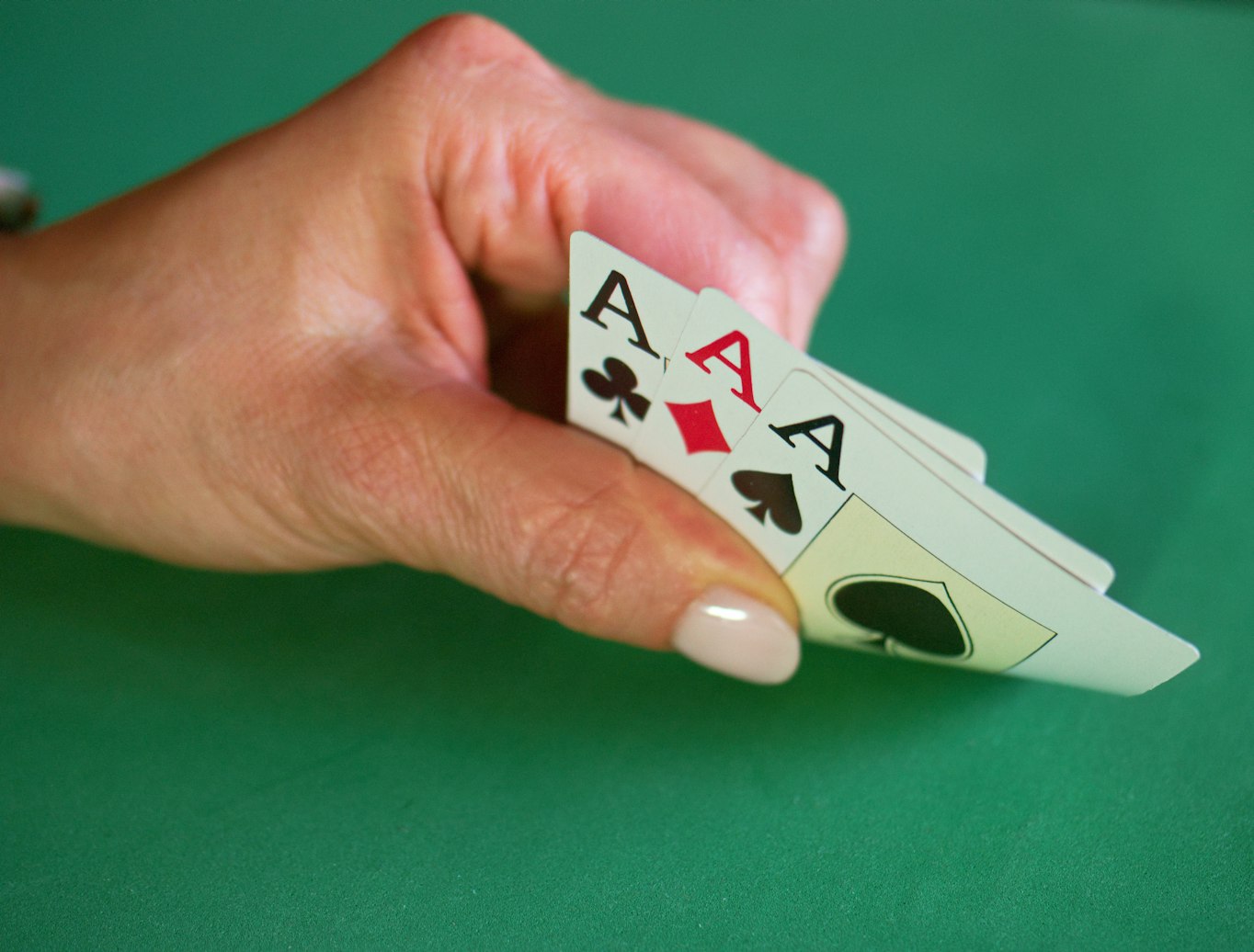
Furthermore, the excitement of gambling often overshadows the inherent risks involved. The act of placing a bet can generate adrenaline rushes, creating a thrilling experience that can obscure logical concerns. This interplay between excitement and risk frequently leads to increased gambling behavior, as the pursuit of that adrenaline high can become compulsive. Individuals may become so enthralled by the thrill that they ignore their financial realities, effectively blinding themselves to the risks they are taking and the potential consequences of their actions.
The role of environment: How casinos influence behavior
The casino environment significantly shapes the behavior and psychology of gamblers. The design, lighting, and layout of these establishments are carefully crafted to enhance the gaming experience while encouraging players to spend more time and money. Bright lights and enticing sounds create an immersive atmosphere that heightens excitement and distracts from the passage of time. This carefully curated environment fosters a euphoric feeling, leading to extended gambling sessions where players easily lose track of both their budgets and time.
Additionally, casinos implement various strategies to enhance the allure of their environments, such as offering complimentary drinks or opulent amenities. These elements contribute to an atmosphere of indulgence and escapism, appealing to gamblers’ emotions and enticing them to fully immerse themselves in the experience. The phenomenon of social proof, where individuals witness others winning or enjoying themselves, further reinforces the belief that gambling can be a fun and rewarding activity, drawing more people into these venues.
Moreover, the strategic arrangement of gaming machines and tables is designed to maximize player engagement. Games are often positioned to encourage movement throughout the space, while the absence of clocks and windows creates a sense of timelessness. This careful manipulation of the environment can lead to excessive gambling behavior, as patrons become ensnared in the captivating ambiance of the casino, losing sight of their initial intentions and financial limits.
Understanding problem gambling: Signs and implications
While many individuals participate in gambling as a form of entertainment, a significant number develop problematic behaviors that can lead to gambling addiction. These individuals may exhibit symptoms such as an increasing preoccupation with gambling, neglect of personal responsibilities, and using gambling as a means to escape from life’s stresses. The psychological impact of these behaviors can be profound, often resulting in emotional turmoil, anxiety, and even depression as individuals confront the repercussions of their gambling habits.

The consequences of problem gambling extend beyond the individual, often affecting families and communities as well. Those struggling with gambling addiction may face financial instability, which can lead to strained relationships and increased conflicts at home. The stigma associated with gambling problems frequently prevents individuals from seeking help, perpetuating a cycle of shame and isolation. Understanding the signs and underlying psychological factors of problem gambling is crucial for effective intervention and support.
There are various resources and support systems available to assist those dealing with gambling-related issues, including counseling services and support groups. Recognizing the psychological drivers behind gambling behavior is essential for creating effective treatment plans. By addressing these underlying issues, individuals can start to break free from the cycle of addiction, fostering healthier coping mechanisms and promoting a more positive psychological state.
Explore more: Comprehensive insights on gambling behavior
This website is dedicated to providing in-depth insights into the psychology of gambling behaviors. By exploring diverse facets of gambling, from the initial attractions to the psychological implications of risk-taking, the platform aims to educate and inform visitors about the complexities surrounding this intriguing subject. Understanding the driving forces behind gambling behavior can empower individuals to make informed decisions when engaging in such activities.
Additionally, the website offers resources for those who may be grappling with gambling-related challenges. It strives to create a supportive community where individuals can find guidance and assistance in addressing problematic gambling behaviors. By raising awareness and fostering understanding, the platform seeks to diminish the stigma connected to gambling issues and encourage proactive measures for healthier gambling practices.
Through comprehensive articles, expert insights, and engaging content, this website serves as a valuable resource for anyone interested in the psychology of gamblers in casinos. Whether you are a casual player or someone seeking to comprehend the broader implications of gambling behavior, this platform provides a wealth of information to help navigate the intricate world of gambling with greater awareness and understanding.